Keep reading to understand how email marketing can improve your inbound strategy, helping you attract, engage, and delight your audience like never before.
Quick overview:
1. To start, what is actually inbound marketing?
2. Understanding the key phases of the inbound marketing funnel
3. Effective inbound strategies for email marketing success
4. What are some benefits of using email marketing?
To start, what is actually inbound marketing?
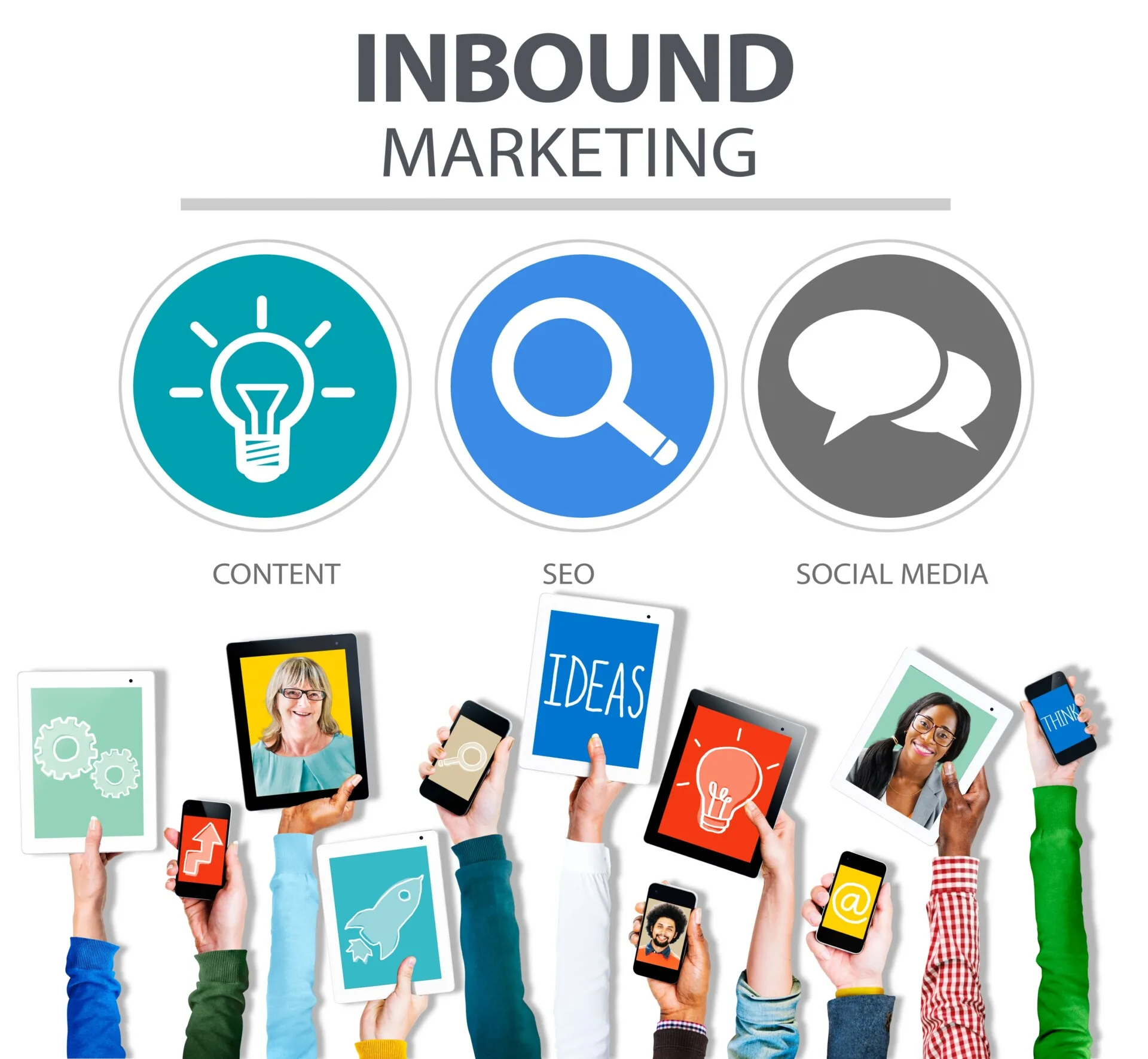
Inbound marketing (opent in nieuw tabblad) is a business approach designed to attract customers by providing valuable and relevant content.
Unlike traditional outbound marketing, which pushes messages out to a wide audience regardless of their interest, an inbound marketing strategy focuses on creating content that addresses the specific needs and interests of your target audience.
This content can take many forms, such as blog posts, social media updates, infographics, and emails.
Imagine you’re looking for information on a particular topic.
You find a helpful blog post or an insightful social media update that answers your questions or provides new perspectives.
That’s inbound marketing in action.
It’s about being present with the right information at the right time, making your brand a go-to resource for valuable content.
The essence of inbound marketing is its customer-centric approach.
Rather than interrupting potential customers with unsolicited advertisements, inbound marketing aims to attract, engage, and delight them through meaningful interactions.
This strategy uses various channels (opent in nieuw tabblad) like search engine optimisation (SEO), social media marketing, and email strategy to naturally guide prospects through their buying and customer journey.
For instance, if you’re doing email marketing as part of your inbound strategy, you’re not just sending out random emails.
Instead, you’re crafting personalised messages that offer value to your subscribers, whether it’s through useful tips, exclusive offers, or informative content.
This helps build a relationship with your audience, fostering trust and loyalty.
Understanding the key phases of the inbound marketing funnel
Inbound marketing focuses on attracting, engaging, and delighting customers through a structured funnel consisting of four key phases (opent in nieuw tabblad): Attract, Convert, Close, and Delight.
Here’s a brief overview (opent in nieuw tabblad) of each stage and how email marketing supports your efforts:
- Attract:
- Draw potential clients to your website.
- Use email marketing to promote blog articles and valuable content.
- Craft appealing subject lines and email copy to increase click-through rates.
- Convert:
- Turn interested visitors into leads.
- Offer gated content (e.g., eBooks, whitepapers) in exchange for contact information.
- Provide valuable content upfront to build trust.
- Close:
- Convert leads into paying customers.
- Use targeted emails with offers, discounts, and promotions.
- Persuasive and personalised content can move hesitant leads to purchase.
- Delight:
- Keep customers engaged and foster loyalty.
- Offer exclusive deals, conduct surveys, and implement loyalty programmes.
- Keep customers informed about new products and promotions to encourage repeat business.
By integrating email marketing into each stage of the inbound marketing funnel, you can effectively guide potential customers through their journey and build lasting relationships.
Effective inbound strategies for email marketing success
Email marketing (opent in nieuw tabblad) is a great way to keep your audience engaged and turn potential customers into loyal ones.
To get the most out of your email marketing, you need to use smart strategies.
Here are five easy-to-follow tips (opent in nieuw tabblad) to help you succeed.
1. Build a high-quality subscriber list
Having a good list of subscribers is the first step to email marketing success.
Here’s how you can build one:
- Create irresistible offers: Give away valuable things like guides, webinars, or discounts to encourage people to sign up.
- Use opt-in incentives: Offer special deals or exclusive content to make signing up more appealing.
- Keep your list clean: Regularly remove inactive or uninterested subscribers to keep your list fresh and engaged.
Focusing on quality rather than quantity ensures your emails reach people who are truly interested in what you have to say.
2. Segment and personalise your emails
Making your emails relevant to each subscriber is key.
Here’s how to do it:
- Segment your list: Divide your list into smaller groups based on things such as interests or behaviours.
- Send tailored content: Create specific emails for each group so that everyone gets content that interests them.
Using email marketing tools can help automate this process, ensuring each group gets the right message at the right time.
3. Use AI tools for dynamic content
AI tools can make your emails more engaging and effective:
- Smart subject lines: Use AI to create catchy subject lines that increase open rates.
- Personalised content: Let AI help you send content that changes based on what each person likes and how they behave.
Automated campaigns mean your audience gets relevant content when they need it, helping to build trust in your brand.
4. Optimise for mobile devices
Many people read emails on their phones, so your emails need to look good on small screens:
- Responsive design: Make sure your emails automatically adjust to fit any screen size, making them easy to read.
- Test on different devices: Check how your emails look on various phones and tablets to ensure they’re always user-friendly.
Optimising for mobile ensures your audience can read and interact with your emails no matter how they access them.
5. Test and improve your emails
Always look for ways to make your emails better:
- Run A/B Tests: Try out different subject lines, email designs, and call-to-action buttons to see what works best.
- Track Performance: Keep an eye on key metrics like open rates and click-through rates to see how your emails are doing.
- Use Data to Improve: Use what you learn from testing to continually improve your emails.
Regular testing will help you get the best possible results from your email campaigns.
What are some benefits of using email marketing?
Email marketing offers numerous advantages that can enhance your business at every stage. (opent in nieuw tabblad)
Here are some key benefits (opent in nieuw tabblad) of using email marketing:
1. Build and nurture relationships
Email marketing helps you stay connected with your audience:
- Consistency Builds Trust: By sending regular, useful emails, you keep your brand in your customers’ minds. They come to expect and look forward to your emails, building trust over time.
- Interactive Content: Adding quizzes, polls, or surveys for having more engaging content marketing. This not only entertains your readers but also gives you valuable feedback.
- Share Success Stories: Including testimonials and success stories from satisfied customers can help potential customers see the value of your products or services.
2. Distribute content effectively
Email marketing is a great way to share your content:
- Feature User-Generated Content: Encourage your subscribers to share their stories or photos using your products. This creates a sense of community and keeps your audience engaged.
- Promote Across Platforms: Use your emails to guide your audience to your social media, blog, or other platforms, increasing your reach and impact.
3. Generate and nurture leads
Emails can turn interested prospects into loyal customers:
- Informative Content: Share useful information that solves common issues or answers frequently asked questions. This shows your brand as knowledgeable and helpful, encouraging leads to connect more with your company.
- Dynamic and Relevant Content: Use dynamic content that changes based on the recipient’s past interactions. This makes your emails more relevant and increases the chance of conversion.
4. Drive traffic to your website
Use email marketing to boost your website traffic:
- Teasers and Previews: Include snippets of your latest blog posts or upcoming products in your emails. This piques interest and drives traffic to your website for more information.
- Engaging Links: Add links to interesting and useful content on your website. This not only provides value to your readers but also encourages them to visit your site.
5. Improve customer retention
Keep your customers coming back with targeted emails:
- Re-engagement Campaigns: Send special offers or reminders to customers who haven’t interacted with your brand in a while. This can help rekindle their interest and loyalty.
- Exclusive Access: Offer your subscribers early access to new products or special content. This makes them feel valued and more connected to your brand.
Final thoughts
Inbound email marketing is a powerful tool for driving business growth.
By combining effective strategies, you can enhance every stage of the sales funnel.
This goes from attracting leads to nurturing them and converting them into loyal customers.
Focusing on high-quality content, personalisation, and automation helps create engaging email sequences that resonate with your subscribers.
Using interactive elements and valuable insights fosters deeper connections and guides potential customers through their journey.
This leads to a user experience with higher conversion rates and customer loyalty.
Optimising your emails for mobile devices and integrating them with other marketing channels. These include social media, which further amplifies your reach.
By constantly adapting based on feedback and performance data, you ensure your email marketing campaigns remain relevant and effective.
Embracing these inbound email marketing strategies can help you connect with a wider audience, nurture leads through the sales funnel, and build a lasting customer base with your current customers.
FAQ
Inbound email marketing involves attracting and engaging potential customers through personalised and relevant content sent via email. Unlike outbound emails that are more promotional, inbound strategies focus on nurturing leads through the sales funnel with valuable information.
To build a strong email list for inbound marketing, offer valuable content such as ebooks, webinars, or exclusive insights in exchange for email subscriptions. Use opt-in forms strategically on your website and leverage social media to attract interested subscribers.
Email content in inbound strategies educates, informs, and nurtures leads. It should be tailored to address customer pain points, provide solutions, and guide them through their decision-making process, ultimately fostering trust and loyalty.
Follow-up emails are crucial in nurturing leads and maintaining engagement. They can remind subscribers of your brand, provide additional information, or offer exclusive content, helping to move them closer to making a purchase decision.
Inbound email marketing typically delivers higher ROI than outbound methods because it targets a more receptive audience. By nurturing leads through personalised content and strategic engagement, businesses can effectively increase conversion rates and customer lifetime value.